













เอสซีจี ชี้อุตสาหกรรมอาเซียนกำลังก้าวสู่ “กติกาการแข่งขันใหม่”
เอสซีจี ชี้อุตสาหกรรมอาเซียนกำลังก้าวสู่ “กติกาการแข่งขันใหม่”
ย้ำธุรกิจไทย – อาเซียน ต้องเร่งเสริมแกร่งธุรกิจ รับมือโลกผันผวนและการเปลี่ยนแปลงอุตสาหกรรมระดับภูมิภาค
มั่นใจกลยุทธ์ระยะเร่งด่วน – กลาง – ยาว เพิ่มขีดความสามารถแข่งขัน คว้าโอกาสโตทันท่วงที
กรุงเทพฯ : 2 กรกฎาคม 2569 – เอสซีจี เผยแผนรับมือโลกผันผวนที่คาดรุนแรงขึ้นต่อเนื่อง ทั้งสภาวะเงินเฟ้อเร่งตัว ความขัดแย้งทางภูมิรัฐศาสตร์ลุกลาม การแข่งขันรุนแรงในระดับภูมิภาคจากการขยายตัวเข้ามาของผู้ผลิตจีน เทคโนโลยีการผลิตที่เปลี่ยนแปลงอย่างรวดเร็ว ผลักดันธุรกิจต่าง ๆ สู่ “กติกาการแข่งขันใหม่” ชี้อุตสาหกรรมต้องเร่งปรับตัวอย่างยืดหยุ่น เพิ่มขีดความสามารถแข่งขันด้วยการวางระบบการผลิตทั่วทั้งอาเซียน เร่งปรับใช้ Robotics & AI เสริมศักยภาพคน และร่วมมือกันทั้งระบบนิเวศธุรกิจ มั่นใจกลยุทธ์ของเอสซีจี ทั้งระยะเร่งด่วน – กลาง – ยาวช่วยคว้าโอกาสเติบโต โดยเฉพาะในภูมิภาคอาเซียน รวมทั้งโอกาสใหม่ ๆ
โลกธุรกิจกำลัง “ปรับ” กลยุทธ์รับมือจึงต้อง “เปลี่ยน”
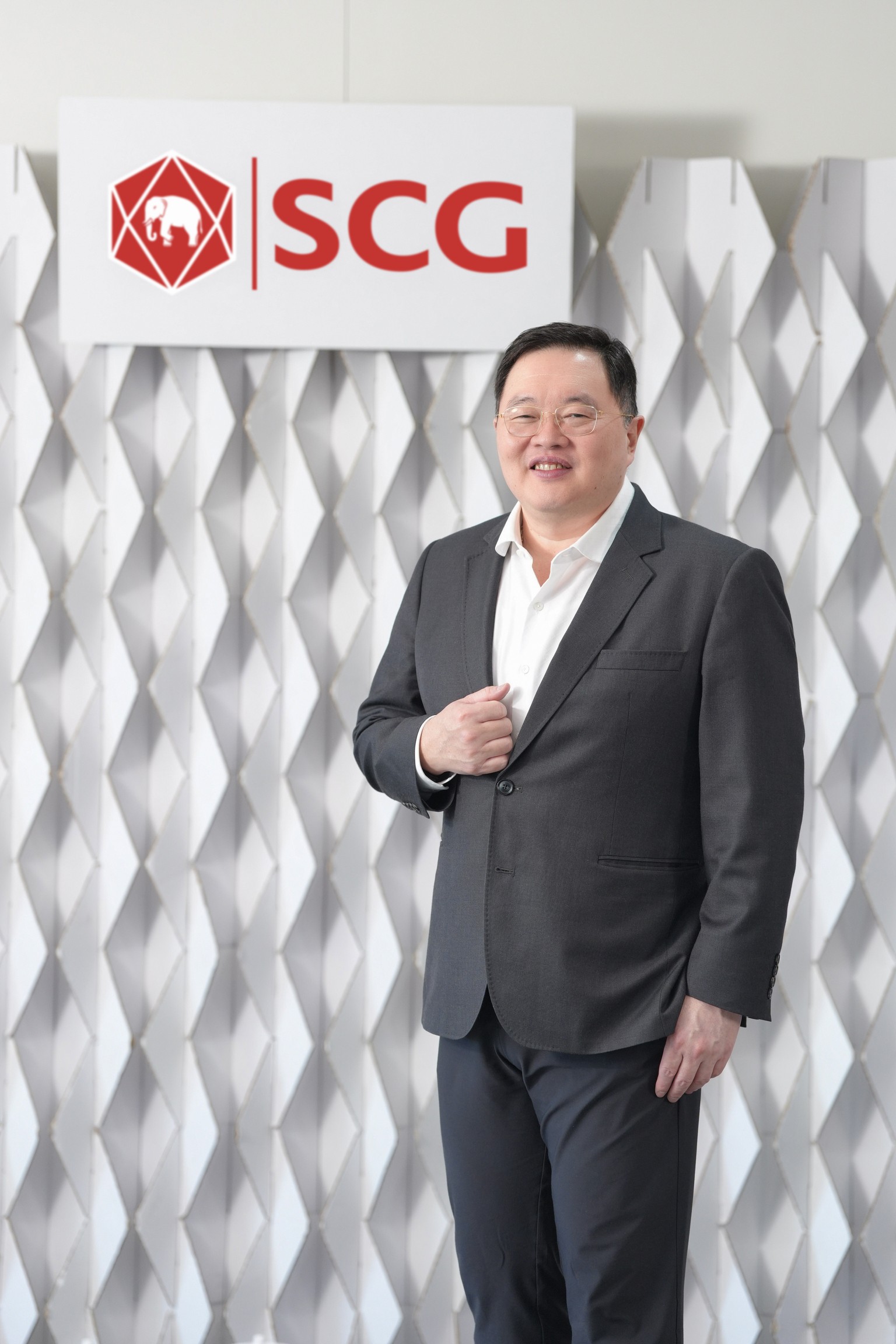
นายธรรมศักดิ์ เศรษฐอุดม กรรมการผู้จัดการใหญ่ เอสซีจี กล่าวว่า ใน 3 ปีข้างหน้า ภาคอุตสาหกรรมโดยเฉพาะในกลุ่มอาเซียนจะเผชิญความท้าทายสำคัญจากความผันผวนของราคาพลังงาน การแข่งขันที่รุนแรงขึ้นจากการเข้ามาของผู้ผลิตจีนที่มีความได้เปรียบด้านต้นทุนจากการมีฐานตลาดขนาดใหญ่ในประเทศจีน ความเปราะบางของห่วงโซ่อุปทานในภูมิภาคอาเซียน อัตราเงินเฟ้อในระดับสูง ตลอดจนการเปลี่ยนแปลงของเทคโนโลยีและสภาพภูมิอากาศ ซึ่งเข้ามาเปลี่ยนกติกาการแข่งขันของอุตสาหกรรมอาเซียน
“วันนี้ภาคอุตสาหกรรมโดยเฉพาะในกลุ่มอาเซียนเสมือนกำลังเข้าสู่ทางแยก หากเราไม่ทำอะไร เราอาจเห็นปรากฏการณ์การถดถอยของอุตสาหกรรมพื้นฐานที่สำคัญ ไม่ใช่แค่กับประเทศไทย แต่อาจเกิดขึ้นกับทั้งภูมิภาคอาเซียน โดยหนึ่งในความเสี่ยงที่เอสซีจีเห็นชัด คือการเข้ามาแข่งขันของสินค้าจากประเทศต่าง ๆ อาทิ จีน ที่มีราคาถูกกว่า เราจึงต้องมาคุยกันว่าภายใต้บริบทอุตสาหกรรมที่เปลี่ยนแปลง ภาคส่วนต่าง ๆ ทั้งในประเทศและในภูมิภาคอาเซียนจะปรับตัวกันอย่างไร เพื่อให้คงขีดความสามารถการแข่งขันในระดับอาเซียนไว้ได้” นายธรรมศักดิ์กล่าว
อาเซียน ศูนย์กลางเศรษฐกิจใหม่ที่น่าจับตามอง เคียงคู่ตลาดจีน
เอสซีจีมองว่า หนึ่งในโอกาสสำคัญของโลกยุคใหม่อยู่ที่ภูมิภาคอาเซียน ซึ่งกำลังก้าวขึ้นเป็นศูนย์กลางเชิงยุทธศาสตร์ของการเชื่อมโยงทางเศรษฐกิจและห่วงโซ่อุปทานที่สำคัญของโลก จากศักยภาพด้านจำนวนประชากร มูลค่าการค้าและการลงทุนจากต่างประเทศ ซึ่งมีอัตราการเติบโตทางเศรษฐกิจ (GDP) ล่าสุดตามรายงานของธนาคารพัฒนาเอเชีย (ADB) คาดขยายตัวเฉลี่ยที่ระดับ 4.7%* โดยแต่ละประเทศในอาเซียนล้วนแต่มีจุดแข็งที่แตกต่างแต่สามารถเกื้อหนุนกันได้ ทั้งนวัตกรรม ฐานการผลิตและส่งออกที่ได้เปรียบด้านต้นทุน กฎหมาย รวมทั้งแรงงานที่มีศักยภาพ
“ในเวทีนานาชาติที่มีตัวแทนประเทศต่าง ๆ เข้าประชุม มักบอกว่าอาเซียนเป็นภูมิภาคที่มีอัตราการเจริญเติบโตทางเศรษฐกิจสูง ไม่แพ้อินเดียและแอฟริกา และยังเป็นภูมิภาคที่มีความเป็นกลาง คือเจรจาพูดคุยกับภูมิภาคใดก็ได้ ที่สำคัญคือการค้าขายภายในประเทศในอาเซียนเองก็กำลังมีอัตราการเจริญเติบโตเพิ่มขึ้น นี่คือโอกาสที่หากเอสซีจีสนับสนุนให้อาเซียนมีความร่วมมือกันได้เป็นอย่างดี เราจะเป็นภูมิภาคที่สามารถอยู่รอดได้ด้วยตัวเองเช่นกัน” นายธรรมศักดิ์กล่าว
นอกจากนี้ จีนยังเป็นอีกประเทศเศรษฐกิจสำคัญซึ่งสามารถเป็นได้ทั้งคู่แข่งและหุ้นส่วนทางเศรษฐกิจ ที่เอสซีจีเล็งเห็นโอกาสในการสร้างความร่วมมือเชิงกลยุทธ์ (Strategic Partner) เพื่อเติบโตร่วมกันด้วย
“การเข้ามาของจีนในอาเซียนนับเป็นทั้งความท้าทายและโอกาส เอสซีจีจึงต้องทำตัวเองให้เข้มแข็ง ด้วยการเสริมขีดความสามารถทางการแข่งขัน ควบคู่การเปิดรับพันธมิตรใหม่จากจีนที่เป็นคู่ค้าทางธุรกิจที่ดีได้ ก็จะทำให้เราได้ประโยชน์ร่วมกัน เช่น การสร้างฐานการผลิตสินค้าขายให้ประเทศต่าง ๆ ในอาเซียน ขณะที่สินค้าบางส่วนขายกลับเข้าจีน และต่อยอดไปยังการขายสู่ตลาดอื่น ๆ ได้” นายธรรมศักดิ์กล่าว

กลยุทธ์ระยะเร่งด่วน - กลาง - ยาว หัวใจเสริมแกร่ง คว้าโอกาสโตแรงทันท่วงที
เพื่อรับมือกับกติกาการแข่งขันใหม่ เอสซีจีให้ความสำคัญกับการเร่งเสริมขีดความสามารถทางการแข่งขันให้แข็งแกร่งในหลายมิติ ทั้งในระยะเร่งด่วน (ทำทันที) ด้วยการบริหารความเสี่ยงพลังงานและวัตถุดิบแบบเรียลไทม์ เพิ่มการใช้พลังงานสะอาด และเพิ่มประสิทธิภาพการใช้พลังงาน เพื่อสร้างความมั่นคงทางพลังงาน และการรักษาวินัยทางการเงินต่อเนื่อง ซึ่งทำให้เอสซีจีมี Adjusted Cash EBITDA ในไตรมาส 1/2569 ล่าสุดที่ 14,929 ล้านบาท แกร่งขึ้น 17% จากช่วงเดียวกันของปีก่อน
ขณะที่ระยะกลาง (2569 - 2570) เอสซีจีเน้นการเชื่อมโยงศักยภาพการดำเนินงานระดับภูมิภาค (ASEAN Scale) ผ่านการประยุกต์ใช้ Robotics & AI และเทคโนโลยีดิจิทัล พร้อมเดินหน้าโครงการเพิ่มความยืดหยุ่นในการใช้วัตถุดิบด้วยก๊าซอีเทนที่โรงงานลองเซิน ปิโตรเคมิคอลส์ (LSP) ประเทศเวียดนาม ตลอดจนการศึกษาความเป็นไปได้ในการร่วมทุนเชิงกลยุทธ์ของธุรกิจโอเลฟินส์และพอลิโอเลฟินส์ในไทยระหว่าง GC และ SCGC เพื่อสร้างขีดความสามารถทางการแข่งขันระดับภูมิภาคการพัฒนาสินค้าและบริการที่ตอบโจทย์ความต้องการที่หลากหลายของผู้บริโภค ทั้งสินค้ารักษ์โลก (Green Products) สินค้าคุณภาพดี ราคาคุ้มค่า (Smart Value Products – SVP) และสินค้ามูลค่าเพิ่มสูง (High-Value Added Products – HVA)
ในระยะยาว (ปี 2569 เป็นต้นไป) เอสซีจีมุ่งเดินหน้าสร้างการเติบโตผ่านธุรกิจแห่งอนาคต การลงทุนในพลังงานสะอาด การขับเคลื่อนเศรษฐกิจหมุนเวียน และการลดการปล่อยก๊าซเรือนกระจกตลอดห่วงโซ่คุณค่า ควบคู่กับการสร้างคุณค่าร่วมให้กับทุกภาคส่วนภายใต้แนวคิด “Inclusive Green Growth”
นายธรรมศักดิ์กล่าวต่อถึงกลยุทธ์สู้ความผันผวนและสร้างการเติบโตอย่างยั่งยืนของเอสซีจีว่า “สำหรับระยะเร่งด่วนนั้น การดำเนินกลยุทธ์จริง ๆ ของเอสซีจี คือต้องทันเหตุการณ์หรือเรียลไทม์ เพราะสถานการณ์เปลี่ยนรายวัน และอีกเรื่องที่สำคัญคือการสร้างความเข้มแข็งทางการเงิน เพราะหลายธุรกิจไม่ได้ล้มจากการขาดทุน แต่ล้มจากการไม่มีเงินสด ส่วนในระยะ 2 ปี เราต้องปรับเพิ่มความสามารถในการแข่งขันเพื่อขยายกรอบที่ปิดกั้นเราไว้ให้ได้ เพื่อให้ธุรกิจมีโอกาสและความเข้มแข็งมากขึ้น ขณะที่ระยะ 3 ถึง 5 ปี เราต้องสร้างกรอบใหม่ให้ได้ เช่น การเข้าสู่ธุรกิจพลังงานสะอาด และ New S-curve ใหม่ ๆเพื่อให้เอสซีจีมีทางเลือกในการเติบโตมากขึ้น”
เทคโนโลยีพร้อม คนพร้อม ตัวแปรสำคัญของการพลิกโฉมธุรกิจทั่วทั้งองค์กร
เอสซีจีมองว่า เทคโนโลยีอย่าง Robotics & AI เป็นตัวแปรสำคัญที่มาเปลี่ยนทุกกระบวนการทางธุรกิจ ตั้งแต่การผลิต การตลาด การบริหารห่วงโซ่อุปทาน การวิจัยและพัฒนา อย่างไรก็ตาม เทคโนโลยีอย่างเดียวไม่ใช่คำตอบของความสำเร็จในการเพิ่มขีดความสามารถการแข่งขันให้ธุรกิจ แต่คือคนที่ใช้เทคโนโลยีด้วย
“ลำพังแค่เทคโนโลยี เช่น AI ไม่ได้ช่วยให้เกิดผลทางธุรกิจ เอสซีจีมองว่าเทคโนโลยี AI ต้องอาศัยการขับเคลื่อนผ่านคน แต่จุดที่ยากที่สุด คือ การทำให้พนักงานเห็นโอกาสจากสิ่งนั้นเป็นเรื่องสำคัญ เพราะฉะนั้น การที่เอสซีจีเป็น ‘องค์กรแห่งโอกาส’ ก็จะเป็นตัวขับเคลื่อนการเปลี่ยนแปลงได้เร็วที่สุด” นายธรรมศักดิ์กล่าว

กรรมการผู้จัดการใหญ่ เอสซีจี ทิ้งท้ายว่า การสร้างขีดความสามารถทางการแข่งขันไม่ใช่ภารกิจขององค์กรใดองค์กรหนึ่ง แต่เป็นความร่วมมือของทุกภาคส่วนในระบบนิเวศธุรกิจ (Business Ecosystem) ในการยกระดับขีดความสามารถของประเทศและภูมิภาคให้เติบโตไปด้วยกัน
“เอสซีจี เดินไปข้างหน้าคนเดียวไม่ได้ แต่ต้องไปด้วยกันทั้งห่วงโซ่อุปทาน (Supply Chain) และไม่ได้ไปเฉพาะในประเทศไทย แต่ต้องไปด้วยกันทั้งอาเซียน ประเทศไทยเราโชคดีที่อยู่ในอาเซียนซึ่งเป็นภูมิภาคที่กำลังเติบโต และเป็นพื้นที่ที่ประเทศหรือภูมิภาคอื่น ๆ อยากเข้ามา แต่ถ้าเราไม่ช่วยกันรีบปรับตัว เราอาจตกเข้าไปอยู่ในหลุมของการถดถอยทางอุตสาหกรรม ซึ่งจะฟื้นตัวกลับคืนมายากมาก”
SCG Highlights Emerging “New Rules of Competition” Across ASEAN;
Urges Thai and ASEAN Businesses to Strengthen Competitiveness Amid Global Volatility and Regional Industry Shifts, Confident Short-, Medium- and Long-Term Strategies Will Capture Growth Opportunities
Bangkok, 2 July 2026 – SCG has outlined its strategic plan to navigate an increasingly volatile global landscape marked by surging inflation, escalating geopolitical conflicts, intensifying regional competition, and rapidly evolving production technologies. These developments are propelling businesses toward "new rules of competition." SCG emphasized that industries must urgently and flexibly adapt to enhance their competitiveness. This involves establishing interconnected production systems across the ASEAN region, accelerating the integration of Robotics and Artificial Intelligence (AI), enhancing workforce capabilities, and fostering collaboration throughout the entire business ecosystem. SCG remains confident that its short-, medium-, and long-term strategies will enable the company to capture growth opportunities, particularly within the ASEAN region, alongside emerging new prospects.
As the Business World "Evolves," Strategies Must "Change"
Mr. Thammasak Sethaudom, President and Chief Executive Officer of SCG, said that over the next three years, the industrial sector, particularly across ASEAN, will confront significant challenges arising from intensifying competition from the influx of manufacturers who possess cost advantages derived from a massive domestic market, supply chain vulnerabilities within the ASEAN region, high inflation rates, as well as the impacts of technological and climate changes. Together, these factors are fundamentally redefining the rules of competition in the ASEAN industrial landscape.
“Today, the industrial sector, particularly across ASEAN, stands at a crossroads. If we fail to act, we may see the decline of critical foundational industries, not only in Thailand but across ASEAN. One of the most evident risks SCG sees is intensifying competition from imported products, which are often more affordable. Amidst this changing industrial landscape, we must address how domestic and across ASEAN sectors can adapt to maintain ASEAN’s competitiveness," said Thammasak.

ASEAN Emerges as a New Economic Growth Hub Alongside China
SCG views that one of the crucial opportunities in today’s world lies within the ASEAN region, which is emerging as a strategic center for global economic connectivity and critical supply chains. This is driven by its immense potential in terms of population size, trade volume, and foreign direct investment. According to the latest report by the Asian Development Bank (ADB), the region's GDP is projected to grow by an average of 4.7%*. Each ASEAN nation possesses distinct strengths that can complement one another, spanning innovation, cost-competitive production and export bases, supportive regulatory frameworks, and a highly capable workforce.
“When representatives from different countries convene, they often say that ASEAN is one of the world’s fastest-growing economic regions, with growth comparable to that of India and Africa. ASEAN also maintains a neutral position, enabling it to engage with all regions. Importantly, intra-ASEAN trade continues to expand at a steady pace. This presents a vital opportunity; if SCG can foster strong collaboration within ASEAN, we have the potential to become a self-reliant region,” said Thammasak.
In addition, China stands as another major economic powerhouse and a valuable economic partner. SCG recognizes significant opportunities to forge strategic partnerships within this market to foster mutual growth.
“The growing presence of China in ASEAN presents both challenges and opportunities. SCG needs to strengthen itself by enhancing its competitiveness while welcoming new partners from China who can become strong business partners. If we can build strong business partnerships with China, we can create shared value. For example, ASEAN can serve as a manufacturing base for products destined for markets across the region, while some products can also be exported back to China and further expanded into other international markets,” said Thammasak.
Short-, Medium-, and Long-Term Strategies: Strengthening Resilience to Capture Growth Opportunities
To navigate the new rules of competition, SCG prioritizes reinforcing its competitive capabilities across multiple dimensions. In the immediate term, SCG is executing real-time risk management for energy and raw materials, accelerating the adoption of clean energy, and enhancing energy efficiency to ensure long-term energy security. Concurrently, SCG maintains rigorous financial discipline. This prudent approach has resulted in Adjusted Cash EBITDA reaching THB 14,929 million in the first quarter of 2026, reflecting a robust 17% increase compared with the same period last year.
Meanwhile, in the medium term (2026 - 2027), SCG will focus on leveraging regional operational capabilities (ASEAN Scale) through the integration of Robotics and AI alongside digital technologies. This includes advancing the ethane feedstock flexibility project at the Long Son Petrochemicals (LSP) plant in Vietnam, as well as conducting a feasibility study for a strategic joint venture in the olefins and polyolefins businesses in Thailand between GC and SCGC to enhance regional competitiveness. Furthermore, SCG is developing products and services that fulfill diverse consumer needs, including Green Products, Smart Value Products (SVP), and High-Value Added Products (HVA).
In the long term (from 2026 onward), SCG aims to drive continuous growth through businesses of the future. This includes investing in clean energy, driving the circular economy, and reducing greenhouse gas emissions throughout the value chain, all while creating shared value for all stakeholders under the "Inclusive Green Growth" concept.
Thammasak went on to outline SCG’s strategies for navigating volatility and driving sustainable growth, “In the immediate term, SCG’s execution must be agile and responsive in real time, as market conditions are changing every day. Another important point is maintaining financial strength because many businesses do not fail because they are unprofitable, but because they run out of cash. Over the next two years, we need to enhance our competitiveness to break through the constraints that currently limit us, so that our business can create greater opportunities and build greater strength. Looking three to five years ahead, we must establish new growth platforms, including expanding into clean energy and developing new S-curves, to create more avenues for SCG’s future growth.”
Technology and Talent Ready: Critical Drivers of Enterprise-Wide Transformation
SCG views technology, such as Robotics and AI, as a key variable capable of transforming every business process, from production and marketing to supply chain management and research and development. However, technology alone is not the definitive answer to achieving business success and enhancing competitiveness; rather, it is the people who harness these technologies effectively.
“Technology alone, including AI, does not deliver business results. SCG believes that AI technology must be driven by people. The greatest challenge, however, is helping employees recognize the opportunities it presents. This is crucial. Therefore, SCG's positioning as an 'Organization of Opportunities' will serve as the most effective catalyst to accelerate this transformation," said Thammasak.

The President and Chief Executive Officer of SCG concluded by emphasizing that building competitiveness is not the sole mission of any single organization but rather a collaborative effort among all stakeholders within the business ecosystem to strengthen the capabilities of both the country and the region and enable shared growth.
“SCG cannot move forward alone. We must advance together with our entire supply chain, and not only within Thailand but across ASEAN. Thailand is fortunate to be part of ASEAN, a growing region that continues to attract strong interest from other nations and regions globally. However, if we do not collaborate and adapt swiftly, we risk falling into a trap of industrial decline, from which recovery would be exceedingly difficult."
